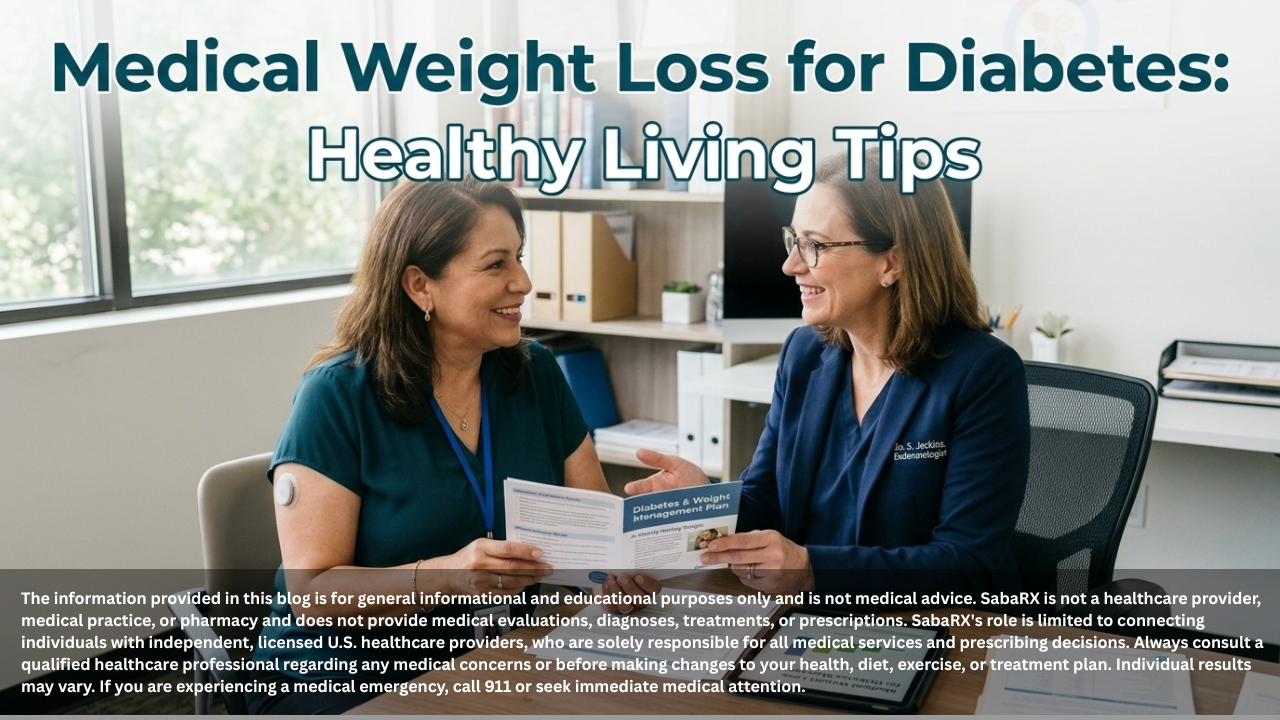

Losing weight is one of the most common health goals, yet it remains one of the most challenging. With so much conflicting advice available, it can be hard to know where to start. The truth is that sustainable weight loss is not about crash diets or extreme exercise. It is about making consistent, informed choices with the right support behind you.
Start with the Basics
Before trying any new approach, it helps to understand what actually drives weight loss. Your body loses weight when it burns more calories than it takes in. But hormones, metabolism, stress, sleep, and medical conditions all play a role too. That is why a one-size-fits-all plan rarely works for everyone.
Here are foundational habits that support healthy, lasting weight loss:
- Eat whole, nutrient-dense foods such as vegetables, fruits, lean proteins, legumes, and whole grains
- Reduce processed foods and added sugars which contribute to excess calorie intake and blood sugar spikes
- Control portion sizes by using smaller plates and eating slowly to recognize fullness
- Drink more water since thirst is often mistaken for hunger, leading to unnecessary snacking
- Move your body daily with at least 30 minutes of moderate activity like walking, cycling, or swimming
- Prioritize sleep because poor sleep disrupts hunger hormones and slows metabolism
- Manage stress levels since chronic stress triggers cortisol, which promotes fat storage especially around the belly
Why Medical Support Makes a Difference
Many people try and fail at weight loss because they go it alone. Working with a healthcare provider changes the outcome. Physician supervised weight loss programs offer personalized plans built around your health history, current medications, and body composition. A doctor can identify underlying issues like thyroid problems or hormonal imbalances that make weight loss harder.
The Role of Medication and Supplements
For some individuals, lifestyle changes alone are not enough. In these cases, a doctor may recommend weight loss medication to support progress. These medications work in different ways, such as suppressing appetite, reducing fat absorption, or regulating blood sugar.
One growing area of treatment involves GLP-1 weight loss supplement options. GLP-1 receptor agonists are a class of medications that help regulate appetite and blood sugar. Originally developed for diabetes, they have shown strong results for weight loss in clinical settings.
A doctor prescribed weight loss supplement is different from over-the-counter products. Prescription options are clinically tested, monitored by a medical professional, and adjusted based on your response and health data.
Who Should Consider a Medical Weight Loss Plan
You may benefit from professional guidance if:
- You have tried multiple diets without lasting success
- You have a health condition like diabetes, high blood pressure, or sleep apnea
- Your body mass index falls in a range that increases health risks
- You want a structured, evidence-based plan with ongoing medical support
Take the Next Step
Weight loss does not have to be a solo struggle. With the right tools, habits, and medical support, real and lasting change is achievable. Talk to your doctor today about physician supervised weight loss and whether weight loss medication or a doctor prescribed weight loss supplement might be right for your journey.
Disclaimer:
The content published on this blog by SabaRX is for general educational and informational purposes only and should not be considered medical advice. References to physician supervised weight loss, weight loss medication, GLP-1 weight loss supplements, or doctor prescribed weight loss supplements are for informational purposes only and do not constitute an endorsement or recommendation of any specific product or treatment. Always consult a licensed healthcare professional before starting any weight loss program, medication, or supplement. Results vary by individual. SabaRX encourages all readers to make informed health decisions in partnership with their qualified medical provider.